

Structural Adequacy Certification
In New South Wales, councils require a structural adequacy certificate from a qualified engineer before approving the relocation of a previously used dwelling. This certificate confirms the house is safe to transport, structurally sound on arrival, and compliant with the NSW Building Code, Australian Standards, and local council requirements.
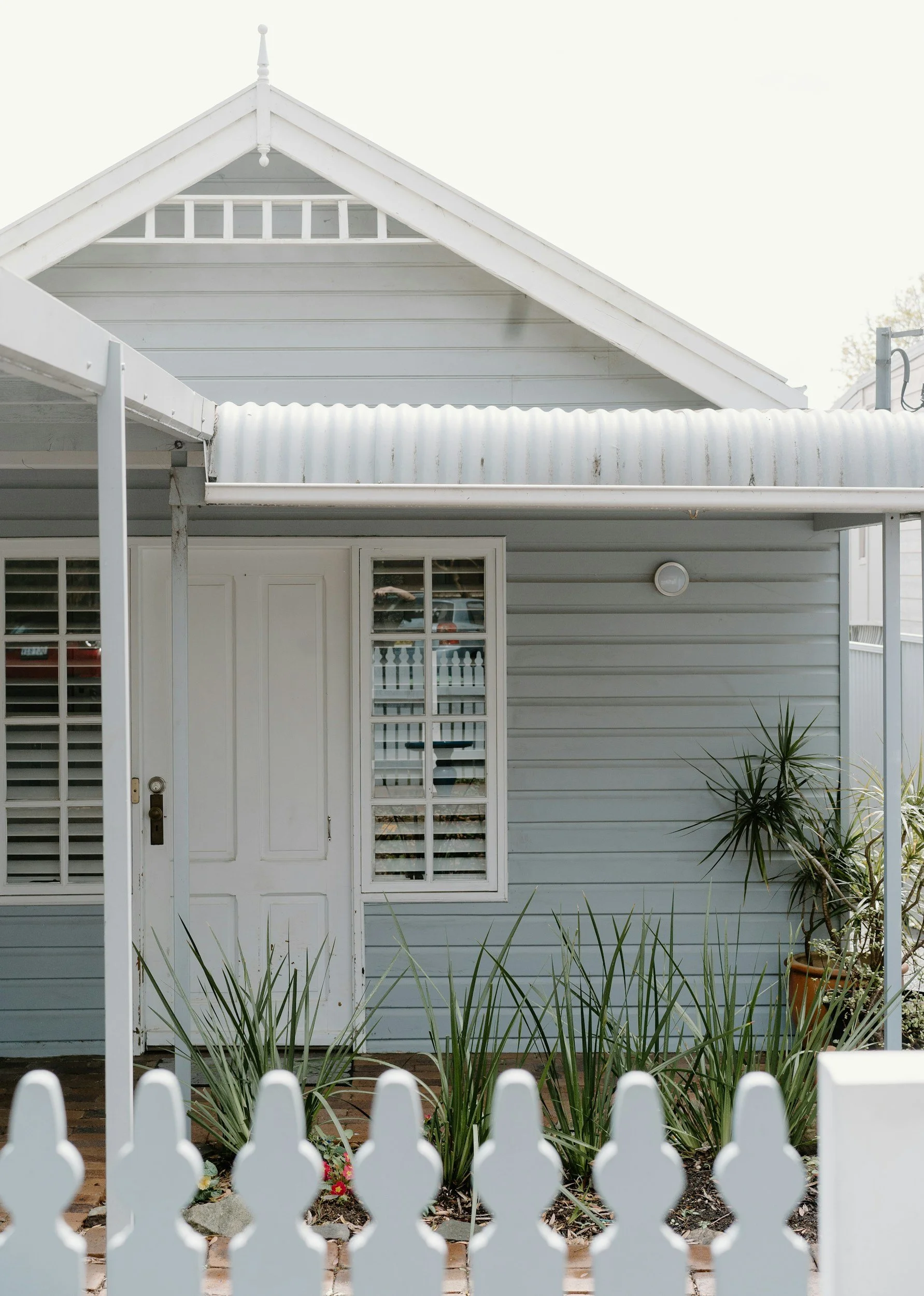
relocate it
When relocating a house, councils and certifiers want to know the building will remain structurally sound throughout the move and after it’s re-established on its new site. A structural adequacy certificate ensures:
The dwelling can withstand transportation without excessive damage or failure.
Structural elements (beams, walls, roof, footings) meet NCC and Australian Standards.
The relocated house will be safe, durable, and compliant once installed on its new foundations.
Issues are identified before the move, saving time, money, and delays in approvals.

-
Our engineers work with you through every stage of the relocation process:
Pre-Move Assessment
Review of the dwelling’s existing condition to confirm structural strength for transport.
Compliance Checks
Verifying the house meets the NCC, NSW Building Code, and council standards.
Certification Issued
Providing the engineer’s certificate of structural adequacy required for DA or Complying Development approval.
Practical Guidance
If repairs or modifications are needed, we outline cost-effective solutions before relocation begins.
-
Alongside a structural adequacy certificate, councils may also require:
Development Application (DA) or Complying Development approval.
Insurance certificate under the NSW Home Building Act (for certain project values).
Asbestos clearance report (if applicable).
Site survey showing where the house will sit on the new block.
Bushfire risk assessment, if the new site is bushfire-prone.
BASIX certificate, generally not required for relocations, unless alterations trigger BASIX.
Our team is familiar with these processes and can guide you through what’s relevant for your project.
-
NSW expertise – Extensive experience with house relocation projects across Sydney, regional, and coastal NSW.
Trusted by councils – Pre-qualified and recognised as reliable delivery partners.
All services under one roof – Structural, civil, hydraulic, traffic, and planning support available if your project needs it.
Fast turnaround – We understand the time-sensitive nature of relocation and approvals.
Clear advice – We cut through the complexity with straightforward solutions.